The $15 secret that changes everything
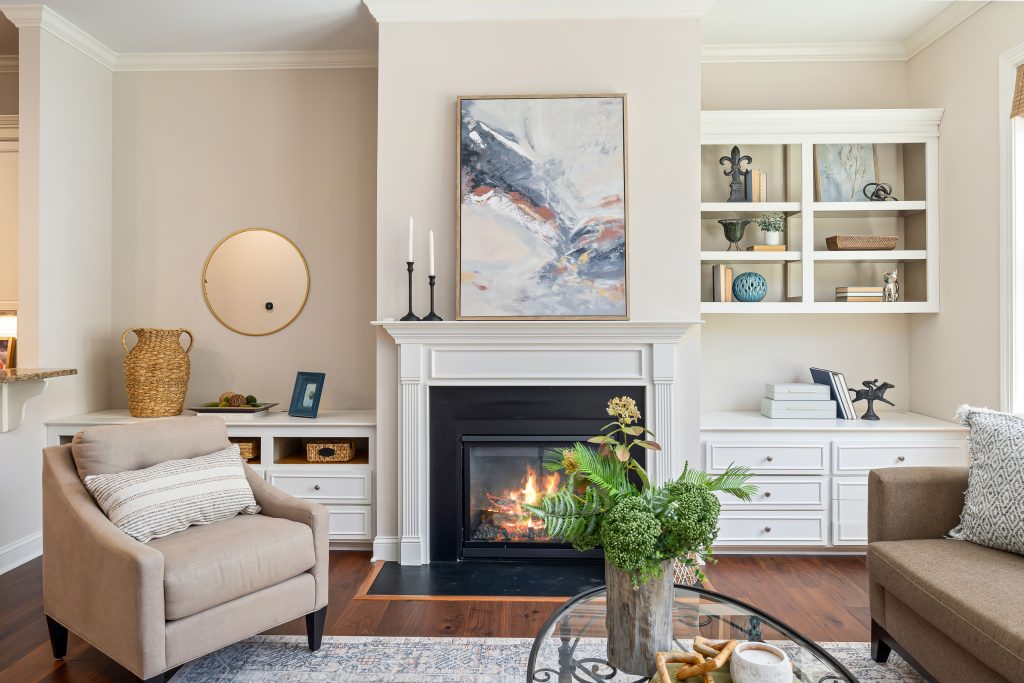
Can I ask you something?
When was the last time you walked into your living room, looked around, and felt… underwhelmed?
Not because your home is ugly. It’s not. But because something about it feels a little flat. A little builder-grade. A little like you’re still waiting for the “real” version of your home to show up.
Here’s what nobody tells you: The most expensive-looking homes aren’t the ones that cost the most. They’re the ones with the fewest cheap-looking details.


I’ve spent years studying what separates a room that looks like a showroom from a room that looks like a home—the kind that makes guests say “wait, who designed this?” And the truth is almost annoyingly simple.
You don’t need a renovation. You don’t need a designer. You need to know which small details your eyes are reading as “cheap” without you even realizing it.
Let’s fix them.
The Real Reason Your Home Doesn’t Look Expensive
Before we dive into the tips, let’s talk about why.
It’s not about what you have. It’s about what you don’t have.
Specifically? Cheap-looking details. The plastic light switch plates. The flat throw pillows. The builder-grade cabinet hardware. These tiny things scream “budget” louder than anything else in your home—and they’re usually the easiest and cheapest to fix.
Bobby Berk, who has designed rooms costing $200,000 and rooms costing $2,000, puts it bluntly: “Most of the things that make a room look ‘expensive’ don’t actually cost much money. It’s not about the price tag. It’s about knowing which details to focus on” .
So let’s focus on those details. Here are the highest-impact, lowest-cost changes you can make right now.
1. The $5 Upgrade You’ll Notice Immediately
Look at your light switches.
Are they almond-colored? Do they have visible screws? Those tiny plastic plates are aging your home by twenty years.
Swap them for screwless light switch plates. They cost about $5 each and the difference is immediate. It’s one of those changes you can’t unsee once you’ve made it .
This is the kind of detail that separates a space that feels intentional from a space that feels default.
2. Your Throw Pillows Are Lying to You
Here’s a question: Do your throw pillows look flat and sad, like deflated pancakes?
That’s not the pillow’s fault. It’s the insert.
Most throw pillows come with cheap polyester inserts that flatten within weeks. The fix? Buy feather-down inserts that are two inches larger than your pillow covers. A 22-inch insert goes inside a 20-inch cover. This gives you that full, “karate-chop” look that designers achieve in magazines .
It sounds ridiculous. It works. Your sofa will instantly look like it belongs in a catalog.
3. The Magic of the Humble Tray
Here’s a design secret that costs almost nothing: Put a tray on every flat surface.
Coffee table. Bathroom counter. Nightstand. Ottoman. Kitchen island.
A tray takes a random collection of stuff—remote controls, random receipts, a half-empty water glass—and turns it into a styled vignette. It’s the difference between “cluttered” and “curated” .
You can find affordable trays at thrift stores, Target, or even make one yourself. The tray doesn’t matter. What it does matters.
4. Your Cabinet Hardware Is Screaming “Builder-Grade”
Walk into your kitchen. Look at your cabinet pulls.
Are they thin, hollow, and shiny in a cheap way? That’s builder-grade hardware, and it’s one of the fastest giveaways that your home wasn’t custom-designed.
Swap them for something with weight. Brass, matte black, or brushed nickel. This single change makes kitchens and bathrooms feel renovated—even if you haven’t touched anything else .
You can find affordable hardware online for a few dollars per pull. It’s one of the highest-return upgrades you can make.
5. Your Rugs Are Too Small (I’m Sorry)
This one hurts. But an incorrectly sized rug is one of the most common design mistakes—and it instantly makes a room look unfinished.
Bigger is almost always better. A rug that’s too small makes furniture look like it’s floating in space. A rug that’s properly sized anchors the room and makes it feel intentional .
If you can’t afford a large rug, layer a smaller one over a neutral, affordable base rug. It’s a trick designers use all the time.
6. Your Lighting Is Giving “Fluorescent Office”
One overhead light is not enough. It’s harsh. It’s flat. It makes everything look like a waiting room.
Layer your lighting. Add floor lamps. Table lamps. Candles with warm white bulbs. Aim for at least three light sources in every room .
Warm, layered lighting makes a space feel intimate and expensive. Harsh overhead lighting makes it feel cheap and clinical. This is one of the easiest changes you can make—and one of the most transformative.
7. The Ceiling Mistake Nobody Talks About
Your ceiling is probably white. And that’s fine. But it could be better.
Paint your ceiling the lightest shade from your wall color. Instead of stark white, use a very pale version of the color on your walls. It wraps the room and makes it feel intentional and designed—not like someone just defaulted to white .
It’s a subtle shift. But subtle shifts are what separate “nice” from “expensive.”
8. Real Soap Dispensers (Yes, Really)
Look at your bathroom counter. Is there a plastic pump bottle sitting there? The kind that came from the grocery store?
That single bottle is making the entire room feel cheap.
Get a real soap dispenser. Ceramic. Resin. Glass. It costs $15 to $20 and completely changes the vibe of your bathroom .
It’s a tiny detail. But tiny details are everything.
9. Your Curtains Are Too Short (And Too Cheap-Looking)
Polyester curtains that barely reach the floor? They’re not doing you any favors.
Linen curtains read expensive. Even affordable linen options drape beautifully and filter light in a way that polyester never will .
And hang them high. Mount your curtain rod closer to the ceiling than to the window frame. This creates the illusion of higher ceilings and taller windows .
The result? A room that feels taller, brighter, and more luxurious—for the cost of a curtain rod and some fabric.
10. The Art of the Statement Mirror
A mirror isn’t just for checking your reflection. It’s a design tool.
One oversized mirror—in an entryway, above a console, or leaning against a wall—doubles the perceived space and adds light to any room .
The key word is oversized. A small mirror on a big wall looks timid. A large mirror makes a statement. It tells the eye: This room is spacious. This room is designed.
The Bottom Line
How to make your home look expensive on a budget isn’t about spending more. It’s about spending smarter.
Swap the light switch plates. Replace the pillow inserts. Add a tray. Layer your lighting. Get a real soap dispenser.
None of these things cost much. But together? They change everything.
Your home doesn’t need a renovation. It needs attention to the details that your eyes have been quietly noticing all along.
Start with one thing. Just one. You’ll be surprised how quickly the whole room shifts.
Frequently Asked Questions
Q: What is the cheapest way to make your home look expensive?
A: The cheapest upgrades are usually the smallest details. Swap your light switch plates for screwless versions ($5 each). Replace flat throw pillow inserts with feather-down inserts that are two inches larger than your covers. Add a tray to any flat surface. These tiny changes cost almost nothing and make an immediate visual impact .
Q: How can I make my home look luxurious on a budget?
A: Focus on layered lighting, proper rug sizing, and upgraded hardware. Warm, layered lighting (three sources per room) makes any space feel intimate and high-end. A properly sized rug anchors a room and makes it feel intentional. Swapping builder-grade cabinet hardware for brass or matte black instantly makes kitchens and bathrooms feel renovated .
Q: What makes a home look cheap?
A: Cheap-looking details give it away. Flat throw pillows. Plastic soap dispensers. Builder-grade light switch plates with visible screws. Polyester curtains that don’t reach the floor. Undersized rugs. Harsh overhead lighting. Fixing any one of these makes an immediate difference.
Q: Do you need a lot of money to make a home look expensive?
A: No. In fact, the most expensive-looking homes are often the ones that paid attention to small, affordable details. Interior designer Jennifer Cataldo says it best: “Great design isn’t about spending more, it’s about getting the fundamentals right” .
Q: What is the fastest way to make a room look more expensive?
A: Switch your lighting. Replace harsh overhead lights with warm, layered lighting from floor lamps, table lamps, and candles. One overhead light makes a room feel like an office. Three light sources make it feel like a home