Have you ever stood in the middle of your apartment, looked around, and felt like the walls were closing in?
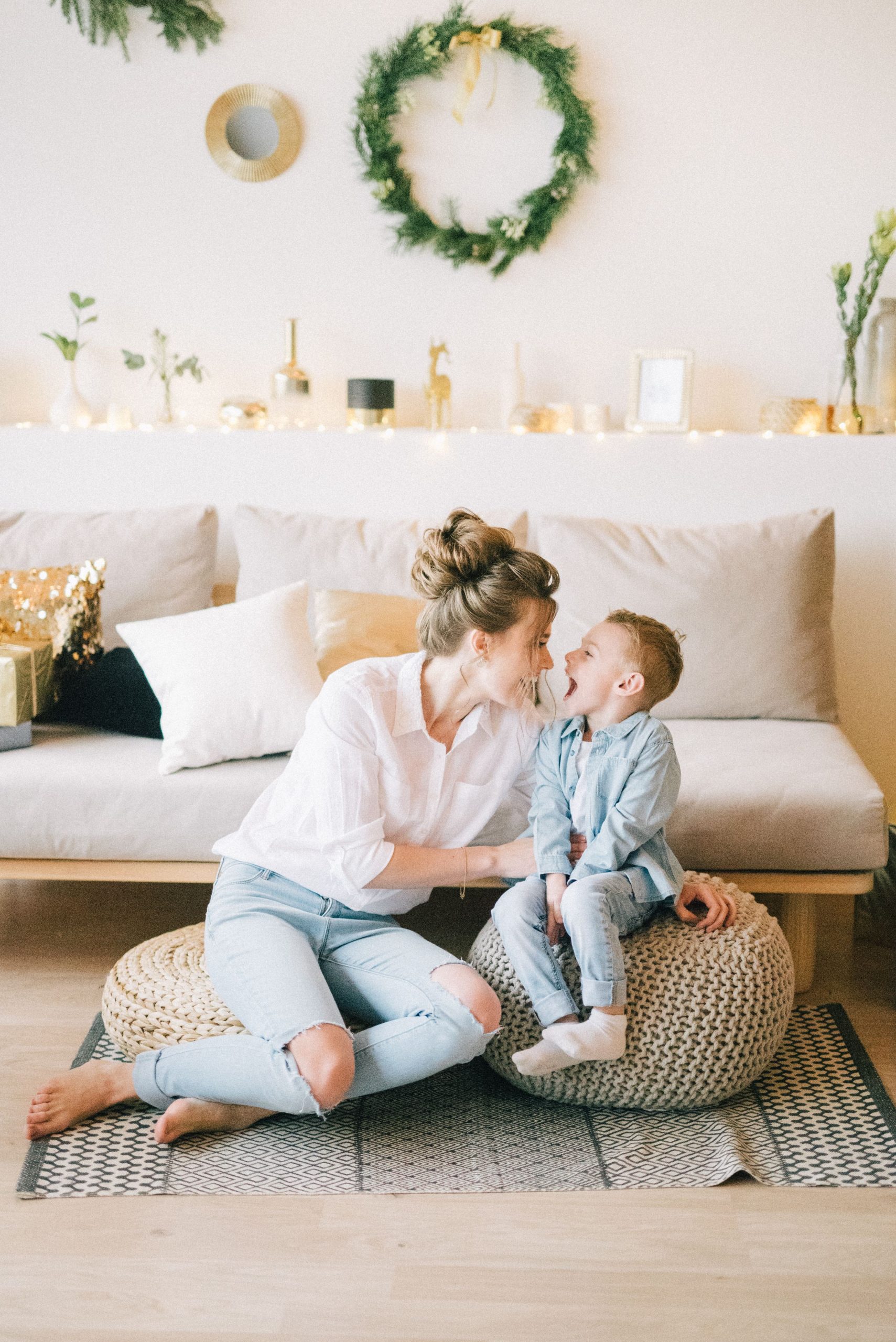
You love your little place. You really do. But sometimes—especially after a long day—it feels less like a cozy sanctuary and more like a shoe box with Wi-Fi.
I get it. I’ve lived in apartments where the kitchen, living room, and bedroom were all technically the same room. I’ve tripped over furniture, bumped into walls, and wondered if I was destined to live in a space that felt permanently cramped.
But here’s what I’ve learned after years of living small: It’s not about square footage. It’s about sightlines.
And there’s one surprisingly simple trick that interior designers use to make even the tiniest apartment feel twice as big. It’s not about knocking down walls or spending thousands on renovations. It’s about freeing up your floor.


Let me show you what I mean.
The One Rule That Changes Everything: Get It Off the Floor
According to a 2026 study published in Environment and Behavior, “reduced visual clutter and uninterrupted sightlines significantly enhance perceived spatial size and openness in interior environments” .
Translation? Your brain measures “space” by how much empty floor it can see.
When you walk into a room, your eyes instinctively scan the floor. The more visible floor space you have, the larger the room feels. Every item sitting on the ground—a lamp, a plant, a bedside table—breaks up those sightlines and makes the space feel more cramped.
Chris Townsend, a moving and storage expert, explained it perfectly: “By getting items off the ground and onto the walls, you’re essentially giving yourself visual square footage that tricks the eye into perceiving a much bigger room” .
So the single most powerful small apartment decorating idea you can implement is this: If it can be wall-mounted or floated, get it off the floor.
Here’s how to do it, room by room.
Floor Lamps Are Stealing Your Space (Here’s What to Do Instead)
Look around your apartment right now. How many floor lamps do you see?
Each one is taking up valuable real estate. And for what? A little bit of light?
Swap them for wall sconces or pendant lights. Mounted lighting frees up the floor entirely while still giving you the illumination you need . Bonus: wall sconces often look more designer, and they create beautiful ambient lighting that makes small spaces feel warm and intentional.
If you’re renting and can’t hardwire anything, plug-in wall sconces are a game-changer. They mount to the wall, plug into a regular outlet, and give you that floating-light effect without any permanent changes.
Your Plants Deserve Better Than the Floor
I love a good potted plant. But a collection of pots clustered on the floor? That’s visual clutter.
Move your plants to floating shelves or wall-mounted planters . Not only does this free up floor space, but it also draws the eye upward—which makes your ceilings feel higher and your room feel more expansive.
Tall, narrow shelving units are another great option. They provide vertical storage without eating up valuable floor area, and they naturally draw the eye up, creating the illusion of more space .
The Bedside Table Trick You Haven’t Tried Yet
Traditional bedside tables are bulky. They take up floor space on both sides of the bed, and if your bedroom is small, they can make the room feel claustrophobic.
Swap them for floating shelves or wall-mounted alternatives . You get the same functionality—a place for your phone, a book, a glass of water—without the visual weight.
This one change can transform a cramped bedroom into a serene, open retreat.
Choose Furniture With Legs (Yes, Really)
Here’s a counterintuitive tip: Furniture with visible legs makes a room feel bigger.
According to a 2025 study in the Journal of Environmental Psychology, “furniture elevated from the floor increases visible surface area, which enhances perceptions of openness and reduces feelings of confinement” .
So when you’re shopping for a sofa, a coffee table, or a chair, look for pieces with legs. You’ll see more floor beneath them, which makes the entire room feel lighter and more spacious.
Bulky, floor-hugging furniture? It might be comfortable, but it’s also making your apartment feel smaller than it is.
Define Zones Without Building Walls
Just because your living room and kitchen are technically one room doesn’t mean they have to feel like one room.
Designer Susan Galvani, who transformed a 1,100-square-foot rental into a loft-like space, explains: “You want to delineate the space into different zones but also make sure that the space can be multipurpose” .
How to create zones without adding floor clutter:
- Use an open bookcase placed at an angle to subtly separate areas without projecting into the room
- Choose a rug to define the “living room” area
- Use lighting to create different moods in different corners
The goal isn’t to block sightlines—it’s to guide them.
The Mirror Trick That Never Gets Old
Mirrors are the classic small-space hack for a reason: they work.
A well-placed mirror reflects light and creates the illusion of depth. Strategically positioning one opposite a window can make your apartment feel like it has twice the natural light—and twice the space .
But don’t just hang any mirror. Choose one that’s oversized for the wall it’s on. A large mirror makes a bigger statement and reflects more of the room, amplifying the spacious effect.
Keep Your Color Palette Cohesive (And Light)
This one is simple but powerful: light, cohesive colors make small spaces feel bigger.
Limit your main living area to a palette of light, bright hues. White walls reflect light and give a sense of openness. White or light-colored furniture becomes less visually prominent against white walls, making the room feel larger .
But here’s the key: don’t let it feel monotone. Add interest through texture, not color. Warm wood, rattan, linen, and leather accents draw the eye around the room and add layers of visual richness without adding visual weight .
Save bold colors for artwork and accessories. A gallery wall creates a dynamic focal point—and conveniently pulls attention away from the television .
The Bottom Line
Small apartment decorating ideas don’t have to be complicated, expensive, or permanent.
The most powerful thing you can do is clear your floor. Get lamps off the ground. Float your shelves. Choose furniture with legs. Define zones without building walls.
Every inch of visible floor is an inch your brain reads as “space.”
And the best part? These changes are renter-friendly. No drilling into load-bearing walls. No landlord drama. Just smart, intentional choices that make your little apartment feel like exactly what it is: a home.
Frequently Asked Questions
Q: How can I make my small apartment look bigger without spending money?
A: Start with what you already have. Clear your floors. Remove anything that doesn’t serve a purpose. Rearrange furniture to create open sightlines. You’d be surprised how much bigger a room feels after a simple declutter and floor-clearing session.
Q: What colors make a small apartment look bigger?
A: Light, neutral colors like white, beige, and light gray reflect light and create an open, airy feel. Keep your main living area cohesive and add interest through texture rather than bold color .
Q: Do mirrors really make a room look bigger?
A: Yes. Mirrors reflect light and create the illusion of depth. A large mirror placed opposite a window can make your apartment feel twice as bright and twice as spacious .
Q: What furniture makes a small apartment feel bigger?
A: Furniture with visible legs, multi-functional pieces, and wall-mounted alternatives. Avoid bulky, floor-hugging furniture that blocks sightlines .
Q: How do I decorate a small apartment when I can’t drill into walls?
A: Use removable adhesive hooks and strips for lightweight items. Opt for leaning mirrors and tall, narrow shelving units. Command hooks can hold wall sconces, small planters, and floating shelves without damaging walls.
Q: What is the biggest mistake people make when decorating a small apartment?
A: Keeping everything on the floor. Floor lamps, potted plants, bulky furniture—they all eat up visual space. Get things off the ground and onto the walls, and your apartment will instantly feel bigger .
Q: How do I create separate “rooms” in a studio apartment?
A: Use furniture placement to define zones. An angled bookcase, a rug, or a change in lighting can subtly separate living, sleeping, and dining areas without building walls